Understanding Common Waterproofing Questions: A Practical Guide

Waterproofing is essential for protecting buildings from water damage. It prevents leaks, mould, and structural issues that can be costly to repair. I often get asked many questions about waterproofing, especially from those managing properties or building homes in the Illawarra region. This guide answers some of the most common waterproofing questions clearly and directly. It aims to help you understand the basics, make informed decisions, and maintain your property effectively.
What Is Waterproofing and Why Is It Important?
Waterproofing is the process of making a structure resistant to water penetration. It involves applying materials or systems that block water from entering walls, roofs, basements, and other vulnerable areas. Without proper waterproofing, water can seep into buildings, causing damage to foundations, walls, and interiors.
Why is waterproofing important?
Prevents structural damage caused by water infiltration.
Stops mould and mildew growth, which can affect health.
Protects insulation and electrical systems.
Maintains the value and safety of the property.
For example, a poorly waterproofed bathroom can develop leaks that damage the ceiling below. Similarly, basements without waterproofing often suffer from dampness and mould. Proper waterproofing ensures these issues do not arise.
Common Waterproofing Questions About Materials and Methods
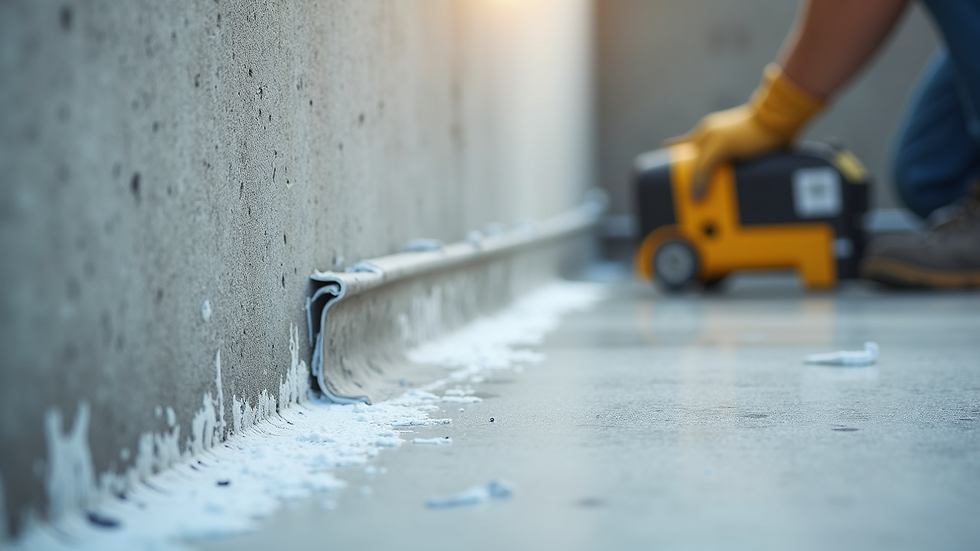
Many people ask about the types of waterproofing materials and methods available. The choice depends on the area to be protected, the building type, and local climate conditions.
Common waterproofing materials include:
Liquid membranes - These are applied as a liquid coating that cures to form a seamless, flexible barrier.
Sheet membranes - Pre-formed sheets made of rubber or plastic that are adhered to surfaces.
Cementitious coatings - Cement-based products that are easy to apply and suitable for internal wet areas.
Bituminous coatings - Asphalt-based coatings used mainly for below-ground waterproofing.
Popular waterproofing methods:
External waterproofing - Applied on the outside of foundations or walls to stop water before it enters.
Internal waterproofing - Applied inside basements or wet areas to manage water that has already penetrated.
Drainage systems - Installed around foundations to divert water away.
Each method has pros and cons. For example, external waterproofing is highly effective but can be costly and disruptive. Internal waterproofing is less invasive but may not stop all water ingress.
How to Identify Signs of Waterproofing Failure
Knowing the signs of waterproofing failure helps you act early and avoid costly repairs. Here are common indicators:
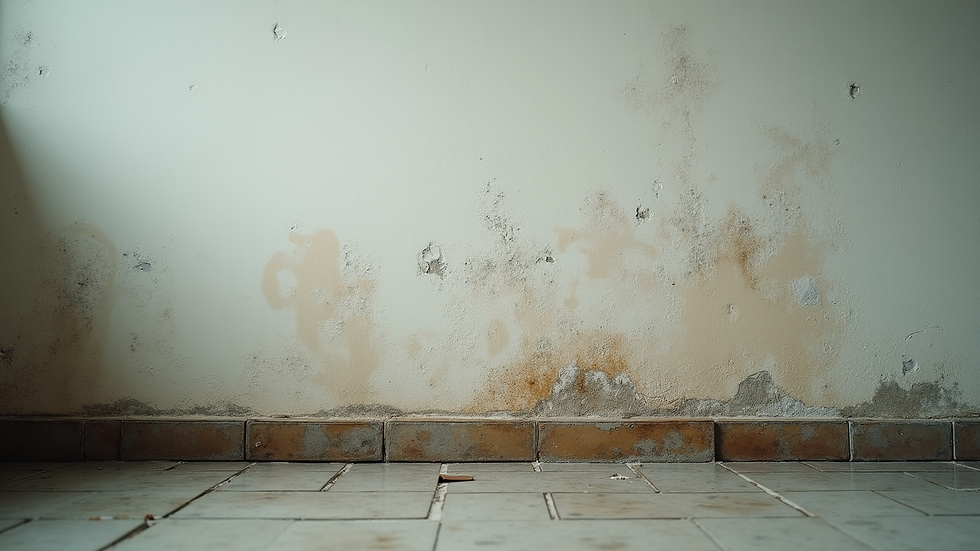
Damp patches or water stains on walls or ceilings.
Peeling paint or wallpaper due to moisture.
Mould or mildew growth in corners or behind furniture.
Musty odours indicating persistent dampness.
Cracks in walls or floors that allow water entry.
Efflorescence - white powdery deposits on masonry caused by water movement.
If you notice any of these signs, it is important to inspect the affected area and consult a waterproofing expert. Early detection can prevent further damage and reduce repair costs.
How Long Does Waterproofing Last and When Should It Be Reapplied?
The lifespan of waterproofing depends on the materials used, installation quality, and environmental conditions. Generally, waterproofing systems last between 5 to 15 years.
Factors affecting durability:
Exposure to sunlight and weather.
Quality of surface preparation before application.
Movement or settling of the building.
Maintenance and inspections.
For example, liquid membranes on flat roofs may need reapplication every 7 to 10 years. Cementitious coatings in bathrooms might last longer but can crack if the substrate moves.
Regular inspections are key. Look for cracks, blisters, or peeling in the waterproofing layer. If you spot damage, arrange repairs or reapplication promptly to maintain protection.
What Are the Best Practices for Maintaining Waterproofing?
Maintaining waterproofing is essential to extend its life and effectiveness. Here are practical tips:
Inspect regularly - Check vulnerable areas like roofs, balconies, and wet rooms at least twice a year.
Clean gutters and drains - Blockages can cause water to pool and increase pressure on waterproofing.
Repair cracks and damage - Address any cracks in walls or floors immediately.
Avoid puncturing membranes - Be careful when installing fixtures or drilling near waterproofed areas.
Control vegetation - Roots can damage waterproofing layers, especially near foundations.
Following these steps helps prevent leaks and prolongs the life of your waterproofing system.
When Should You Call a Professional for Waterproofing?
Some waterproofing tasks require professional expertise. If you experience persistent leaks, visible damage, or need waterproofing for new construction, it is best to consult a specialist.
Situations to call a professional:
Complex waterproofing projects like basements or balconies.
Leak detection and repair.
Waterproofing compliance for building regulations.
Installation of drainage or sump pump systems.
Professionals have the right tools, materials, and knowledge to ensure waterproofing is done correctly and lasts. They can also provide warranties and advice tailored to your property.
For more detailed answers and expert advice, you can explore waterproofing faqs that cover a wide range of topics.
Protecting Your Property with Reliable Waterproofing Solutions
Waterproofing is a critical investment in the longevity and safety of any building. Understanding common waterproofing questions helps you make informed decisions and maintain your property effectively. Whether you are dealing with a new build or an existing structure, proper waterproofing prevents costly water damage and health risks.
Regular inspections, timely repairs, and professional advice are key to successful waterproofing. By staying informed and proactive, you can protect your home or business from water-related issues for years to come.


Comments