Essential Waterproofing Resources You Need

Waterproofing is a critical part of protecting any building from water damage. Whether you manage a home, a commercial property, or a construction project, understanding the right resources can save you time, money, and stress. I want to share the essential waterproofing resources you need to ensure your property stays dry and secure.
Understanding Waterproofing Basics
Before diving into specific resources, it’s important to grasp the fundamentals of waterproofing. Waterproofing involves applying materials or systems to prevent water from penetrating surfaces like walls, roofs, and foundations. It differs from damp proofing, which only slows moisture movement.
Common waterproofing methods include:
Membrane systems (liquid-applied or sheet membranes)
Cementitious coatings
Bentonite clay panels
Injection grouts for cracks and joints
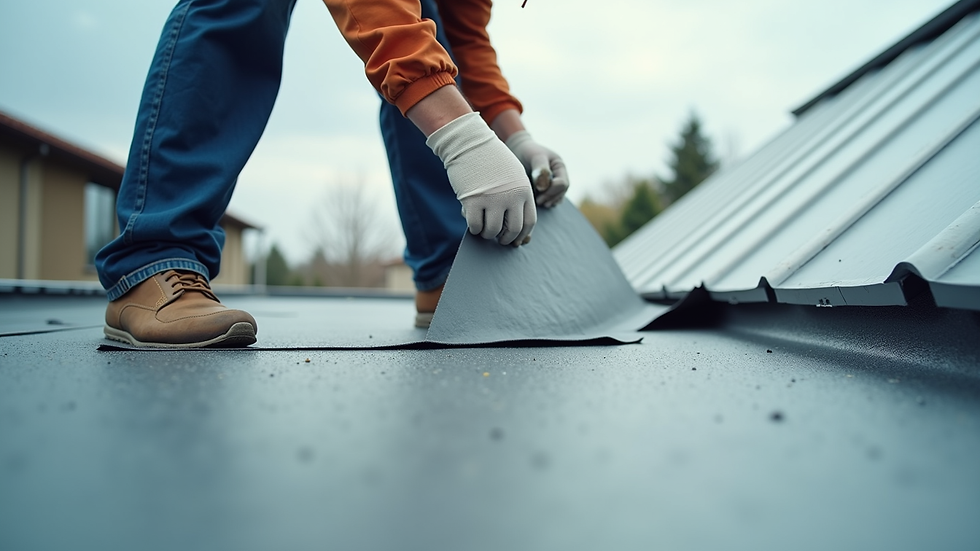
Each method suits different applications and environments. For example, liquid membranes work well on irregular surfaces, while sheet membranes are ideal for flat, smooth areas.
Knowing these basics helps you choose the right products and techniques for your project.
Essential Waterproofing Resources for Your Project
When planning waterproofing work, having access to reliable resources is key. These resources include technical guides, product specifications, and professional advice. Here are some of the most valuable types of resources:
Technical Standards and Codes
Compliance with local building codes and Australian standards ensures your waterproofing work meets safety and durability requirements. Key standards include:
AS 3740-2010: Waterproofing of domestic wet areas
AS 4654.1-2012: Waterproofing membranes for external above-ground use
AS 4858-2004: Wet area membranes
These documents provide detailed instructions on materials, installation, and testing. You can access them through Standards Australia or local libraries.
Product Data Sheets and Safety Information
Manufacturers provide data sheets that explain product features, application methods, and curing times. These sheets also include safety precautions and environmental considerations. Always review these before purchasing or applying any waterproofing product.
Professional Consultation and Training
Engaging with certified waterproofing contractors or attending training sessions can improve your understanding and execution. Professionals can offer tailored advice based on your property’s specific needs and local climate conditions.
Online Resources and Industry Websites
Websites dedicated to construction and waterproofing offer articles, videos, and forums where you can learn from experts and peers. For example, accessing waterproofing resources from trusted local providers helps you stay updated on best practices and innovations.

Choosing the Right Waterproofing Materials
Selecting the correct materials is crucial for effective waterproofing. Consider these factors when choosing:
Surface type: Concrete, timber, metal, or masonry require different products.
Exposure conditions: Areas exposed to rain, groundwater, or humidity need more robust solutions.
Durability: Look for materials with proven longevity and resistance to UV, chemicals, and temperature changes.
Ease of application: Some products require professional installation, while others are DIY-friendly.
Common materials include:
Liquid membranes: Flexible and seamless, ideal for balconies and bathrooms.
Sheet membranes: Pre-formed sheets that provide a strong barrier, often used on foundations.
Cementitious coatings: Easy to apply and suitable for internal wet areas.
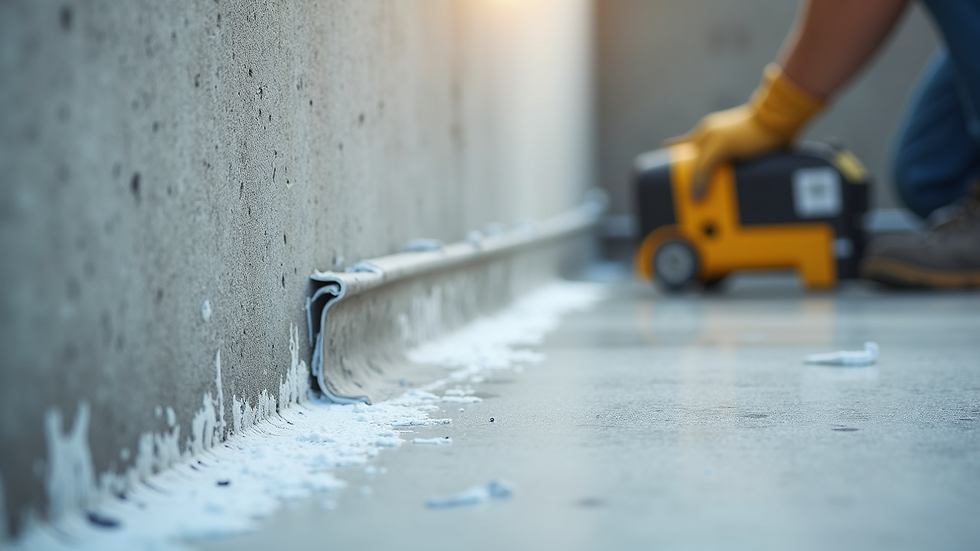
Injection grouts: Used to seal cracks and joints in existing structures.
Always verify that the materials comply with Australian standards and are suitable for your specific project.
Detecting and Preventing Water Leaks
Early detection of leaks can prevent costly damage. Here are practical steps to identify and address leaks:
Visual inspections: Check for damp spots, mould, or peeling paint.
Moisture meters: Use these tools to measure moisture levels inside walls and floors.
Infrared cameras: Detect temperature differences caused by moisture intrusion.
Regular maintenance: Clean gutters, downpipes, and drainage systems to prevent blockages.
Once a leak is detected, use appropriate sealing or injection methods to stop water ingress. Timely repairs protect your property’s structure and indoor air quality.

Maintaining Waterproofing Systems Over Time
Waterproofing is not a one-time task. Regular maintenance extends the life of your waterproofing system and prevents failures. Follow these tips:
Inspect annually: Look for cracks, blisters, or peeling in membranes.
Clean surfaces: Remove dirt, moss, and debris that can damage coatings.
Repair promptly: Address minor issues before they escalate.
Check drainage: Ensure water flows away from the building foundation.
Proper maintenance reduces the risk of leaks and costly repairs. Keep records of inspections and repairs for future reference.
Accessing Local Expertise and Support
For those in the Illawarra region, local expertise is invaluable. Professionals familiar with the area’s climate and building styles can recommend the best waterproofing solutions. They also understand local regulations and can ensure compliance.
Everitt Waterproofing offers reliable and compliant waterproofing and leak detection services across the Illawarra region. Their strong local reputation is built on lasting solutions that protect homes and businesses from water damage.
Using local services means faster response times and tailored advice that suits your property’s unique needs.
By using these essential waterproofing resources, you can protect your property effectively. From understanding standards to choosing materials and maintaining systems, each step contributes to a dry, safe environment. Accessing trusted information and local expertise ensures your waterproofing efforts deliver lasting results.

Comments