Essential Waterproofing Guides and Tips for Homeowners

Water damage can cause serious problems in any home. It leads to structural issues, mould growth, and costly repairs. That is why understanding waterproofing is crucial. I want to share practical advice and reliable information to help you protect your property effectively. This post covers essential waterproofing guides and tips tailored for homeowners, builders, and property managers in the Illawarra region.
Understanding the Basics of Waterproofing
Waterproofing means creating a barrier that prevents water from entering your home. It is not just about stopping leaks but also about managing moisture in walls, floors, and foundations. Proper waterproofing protects your investment and keeps your living environment safe and healthy.
There are different types of waterproofing methods depending on the area and material involved:
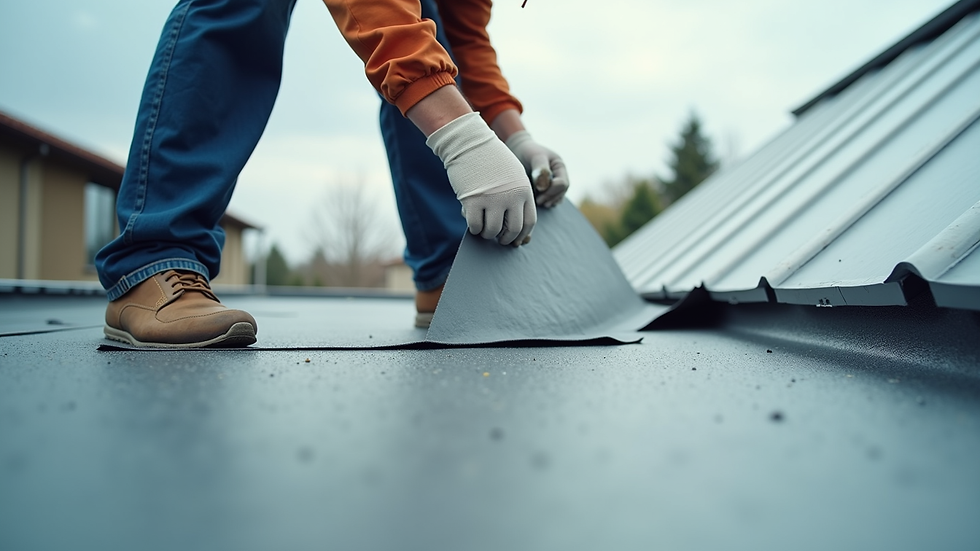
Membrane waterproofing: Applying a waterproof sheet or liquid membrane on surfaces like roofs and basements.
Cementitious waterproofing: Using cement-based products to seal concrete surfaces.
Bituminous coating: A tar-like substance applied to foundations and roofs.
Drainage systems: Installing pipes and channels to divert water away from the building.
Each method has its strengths and is suitable for specific situations. For example, membrane waterproofing is excellent for flat roofs, while cementitious products work well for internal wet areas like bathrooms.
Waterproofing Guides and Tips for Effective Protection
To ensure your waterproofing efforts succeed, follow these practical tips:
Inspect regularly: Check your home for signs of water damage such as damp patches, mould, or peeling paint. Early detection helps prevent bigger problems.
Choose the right materials: Use products designed for your climate and building type. In Illawarra, where rainfall can be heavy, durable and weather-resistant materials are essential.
Prepare surfaces properly: Clean and dry surfaces before applying waterproofing products. Any dirt or moisture can reduce adhesion and effectiveness.
Follow manufacturer instructions: Apply coatings and membranes exactly as directed. Incorrect application can lead to failure.
Maintain gutters and downpipes: Clear debris regularly to ensure water flows away from your home.
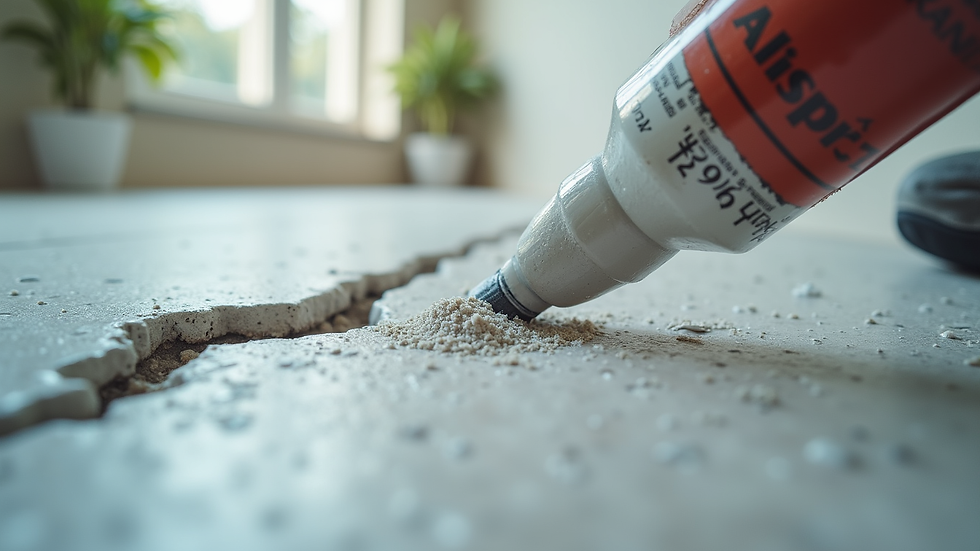
Seal joints and cracks: Use appropriate sealants to close gaps where water might enter.
Consider professional help: Complex areas like basements or balconies may require expert assessment and installation.
By following these steps, you can extend the life of your waterproofing system and avoid costly repairs.
Common Waterproofing Challenges and How to Overcome Them
Waterproofing is not always straightforward. Some common challenges include:
Poor drainage: Water pooling near foundations can cause seepage. Installing French drains or improving landscaping slopes can help.
Cracks in walls or floors: These allow water to penetrate. Regularly inspect and repair cracks with suitable fillers or sealants.
Condensation issues: Moisture inside walls can cause dampness. Improve ventilation and use vapour barriers where needed.
Aging materials: Over time, waterproofing products degrade. Schedule periodic maintenance and reapplication.
Addressing these challenges early ensures your home remains dry and structurally sound.
How to Choose the Right Waterproofing Products
Selecting the right products depends on the area you want to protect and the type of water exposure. Here are some guidelines:
For roofs, use liquid-applied membranes or bituminous coatings that resist UV rays and weather.
For basements and foundations, cementitious waterproofing combined with drainage systems works well.
For wet areas inside the home like bathrooms and kitchens, flexible membranes and waterproof paints are suitable.
For external walls, breathable coatings that repel water but allow moisture to escape prevent trapped dampness.
Always check product certifications and compliance with Australian standards. This ensures safety and performance.
Accessing Reliable Waterproofing Resources
Finding trustworthy information and support is key to successful waterproofing. I recommend consulting waterproofing resources that offer detailed guides, product recommendations, and local service providers. These resources help you understand the latest techniques and regulations specific to the Illawarra region.
Additionally, local councils and building authorities provide guidelines on waterproofing requirements for new constructions and renovations. Staying informed about these rules helps avoid compliance issues.
Maintaining Your Waterproofing System Over Time
Waterproofing is not a one-time job. Regular maintenance is essential to keep your home protected. Here are some maintenance tips:
Inspect waterproofed areas at least twice a year, especially after heavy rain.
Clean gutters, downpipes, and drainage channels to prevent blockages.
Repair any damage to membranes, coatings, or sealants promptly.
Check for signs of mould or dampness inside your home.
Reapply waterproofing coatings as recommended by manufacturers, usually every 5 to 10 years.
Routine care extends the life of your waterproofing system and safeguards your property investment.
Planning for Waterproofing in New Builds and Renovations
If you are building a new home or renovating, integrate waterproofing early in the design phase. This approach reduces risks and costs later. Consider:
Site drainage and landscaping to direct water away from the building.
Using waterproof membranes under slabs and around foundations.
Selecting moisture-resistant materials for wet areas.
Ensuring proper ventilation to reduce condensation.
Consult with waterproofing experts during planning to ensure compliance with local standards and best practices.
Final Thoughts on Protecting Your Home from Water Damage
Waterproofing is a critical part of home maintenance and construction. By understanding the basics, choosing the right products, and following practical guides and tips, you can protect your property from costly water damage. Use trusted waterproofing resources to stay informed and access professional services when needed.
Taking these steps helps maintain a safe, dry, and comfortable home for years to come.


Comments