What Is Remedial Waterproofing?


Waterproofing is designed to protect buildings from water damage, but like any part of a building, it doesn't last forever. Over time, waterproof membranes can deteriorate, building movement can create cracks, and poor workmanship or ageing materials can allow water to penetrate where it shouldn't.
When this happens, remedial waterproofing provides a long-term solution by repairing or replacing failed waterproofing systems and restoring your property's protection against water ingress.
At Everitt Waterproofing, we provide professional remedial waterproofing services throughout Wollongong, the Illawarra and surrounding areas, helping homeowners, strata managers, builders and businesses protect their properties from ongoing water damage.
What Is Remedial Waterproofing?
Remedial waterproofing is the process of identifying, repairing and restoring failed or damaged waterproofing systems.
Unlike waterproofing installed during new construction, remedial waterproofing focuses on existing buildings where water has already found its way into the structure or where the original waterproofing has reached the end of its service life.
Every remedial waterproofing project begins by identifying the source of the problem.
Simply covering visible damage rarely solves the issue. A thorough assessment allows the underlying cause to be addressed, helping to prevent future leaks and unnecessary repair costs.
When Is Remedial Waterproofing Needed?
There are several signs that your property may require remedial waterproofing, including:
Persistent leaks after heavy rain
Damp or stained internal walls and ceilings
Mould or mildew that continually returns
Peeling paint or bubbling plaster
Cracked tiles or deteriorating grout
Water pooling on balconies or rooftops
Efflorescence (white powdery deposits) on brickwork or concrete
Water entering basements or retaining walls
Waterproof membranes that have deteriorated with age
If you've noticed one or more of these signs, it's important to have the problem investigated before the damage becomes more extensive.
Common Areas That Require Remedial Waterproofing
Remedial waterproofing can be carried out in many areas of a property, including:
Bathrooms
Bathrooms experience daily exposure to water. Over time, waterproof membranes beneath the tiles can fail, allowing moisture to penetrate surrounding walls and floors.
Balconies
Balconies are exposed to rain, sunlight and temperature changes throughout the year. Failed membranes, cracked tiles or poor drainage can all result in water entering the building.
Rooftops
Flat roofs and rooftop terraces require effective waterproofing to prevent water from entering the structure. Damaged membranes or blocked drainage systems can quickly lead to leaks.
Basements
Below-ground structures are subjected to constant moisture pressure from surrounding soil. Professional remedial waterproofing helps prevent water ingress and protects the structural integrity of the building.
Retaining Walls
Retaining walls require proper waterproofing and drainage to prevent moisture build-up behind the wall, which can lead to deterioration over time.
Commercial Buildings
Commercial properties, apartment complexes and industrial facilities often require remedial waterproofing to maintain compliance, protect assets and minimise disruption to occupants.
What Causes Waterproofing to Fail?
There are many reasons why waterproofing systems fail, including:
Ageing waterproof membranes
Poor installation or workmanship
Building movement causing cracks
Incorrect surface preparation
Exposure to UV light and weather
Inadequate drainage
Structural movement
Damage during renovations or maintenance work
Understanding the cause of the failure is essential for choosing the right repair method.
The Remedial Waterproofing Process
Every project is different, but remedial waterproofing typically follows these steps:
1. Inspection
A detailed assessment is carried out to identify where water is entering the building and determine the extent of the damage.
2. Leak Detection
Where required, specialised leak detection methods help locate hidden moisture and identify the true source of water ingress.
3. Surface Preparation
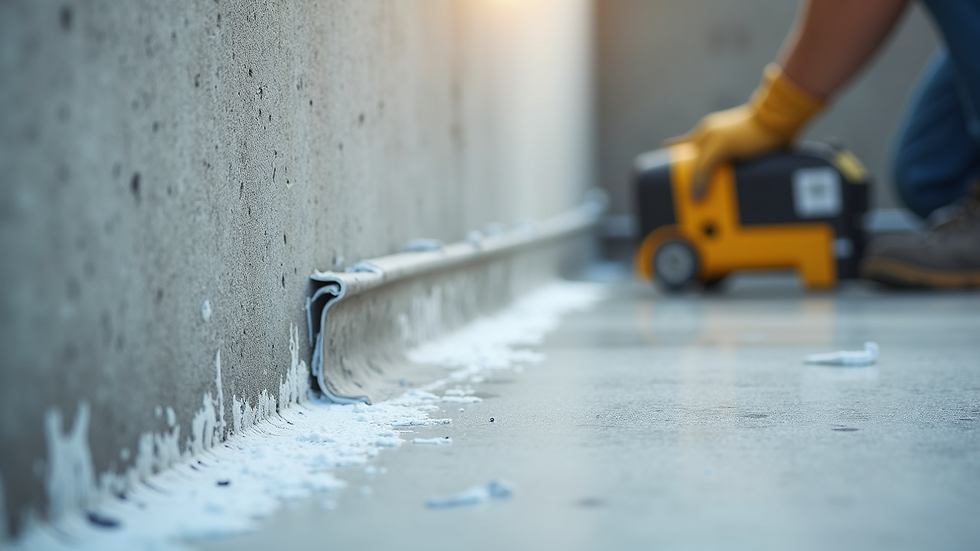
Damaged materials, failed membranes or deteriorated finishes are removed to create a sound surface for the new waterproofing system.
4. Waterproofing Installation
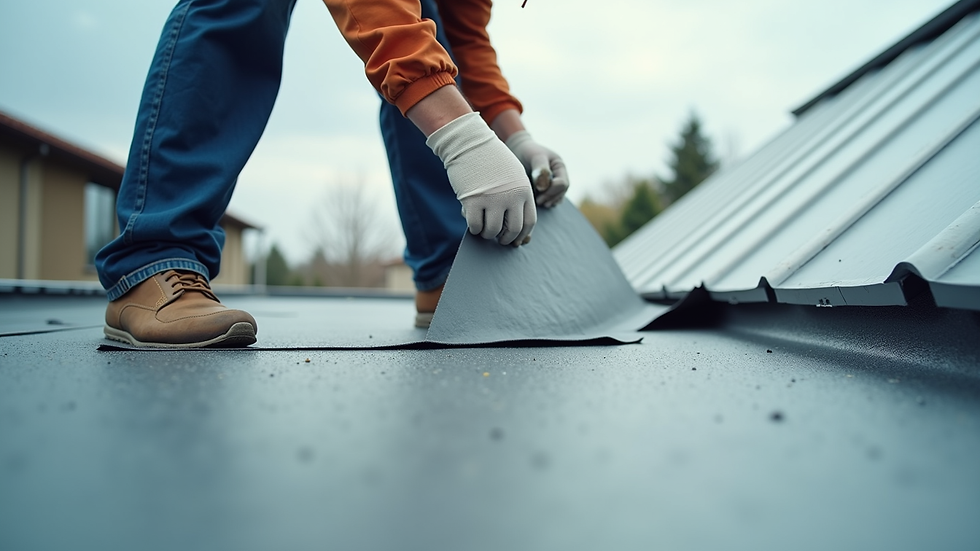
A suitable waterproof membrane is professionally installed using products appropriate for the specific application.
5. Final Inspection
Once completed, the waterproofing system is inspected to ensure it has been installed correctly and is ready to provide long-term protection.
Why Prompt Repairs Are Important
Water damage rarely stays in one place. Left untreated, moisture can spread through walls, ceilings and flooring, leading to:
Structural deterioration
Timber rot
Mould growth
Damage to paint and plaster
Tile failure
Higher repair costs
Reduced property value
Addressing waterproofing issues early is often far more cost-effective than waiting until extensive repairs are required.
Why Choose Everitt Waterproofing?
At Everitt Waterproofing, we understand that every building presents unique waterproofing challenges. Our experienced team provides tailored remedial waterproofing solutions using quality materials and proven installation methods.
We proudly service residential, commercial and industrial properties throughout Wollongong, the Illawarra and surrounding areas, delivering reliable workmanship and long-lasting protection.
Whether you're dealing with a leaking balcony, a failed bathroom membrane or ongoing water ingress, we'll identify the cause and recommend the most effective solution for your property.
Contact Everitt Waterproofing
If your property is showing signs of waterproofing failure, don't wait for the damage to worsen.
Contact Everitt Waterproofing today to arrange a professional inspection and discover how our remedial waterproofing solutions can protect your home or commercial property for years to come.

Comments